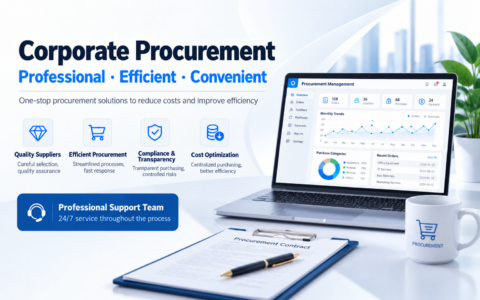
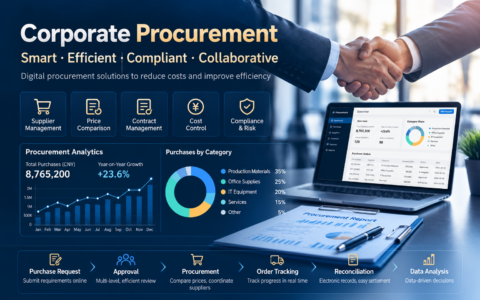
In recent years, more and more companies have begun to expand into overseas markets.
From overseas software and international advertising to global supply-chain resources, demand for cross-border business purchasing continues to grow.
In practice, however, many businesses encounter a common problem:
Overseas purchases are becoming more frequent, while restrictions on payment methods are increasing.
Addressing overseas payment difficulties has become an important part of business digital transformation.
1. Common challenges in overseas business purchasing
1. Payment restrictions on overseas platforms
Many international service platforms require:
- International payment methods
- Business payment accounts
- Bank cards issued in specific regions
Using a regular bank card may result in:
- Failed payments
- Verification failures
- Declined transactions
These problems disrupt routine business purchasing.
2. Managing purchases across departments
Different departments typically handle different purchases:
The marketing department purchases advertising tools.
The technology department purchases cloud services.
The operations department purchases software subscriptions.
If everyone uses the same bank card, the challenges include:
- Difficulty identifying which department incurred an expense
- More complicated financial reporting
- Unclear payment permissions
3. High cross-border fund-management costs
Traditional cross-border payments may involve:
- Complex procedures
- Lengthy transfer times
- Foreign-exchange costs
- Approval procedures
These processes can be inefficient for businesses making frequent overseas purchases.
2. How should companies optimize their overseas procurement processes?
Option 1: Establish a business procurement management system
Depending on their needs, businesses can:
- Assign purchasing responsibilities by department
- Set payment permissions
- Establish purchasing rules
- Centralize billing records
These steps help standardize the procurement process.
Option 2: Use enterprise-grade payment tools
Enterprise-grade payment tools can help businesses:
Flexible management of payment accounts
Separate payment accounts for different departments help keep funds organized.
Improve overseas payment acceptance
These tools support business purchases such as:
- AI services
- Overseas advertising
- Software subscriptions
- Cloud computing resources
They also support other business purchasing needs.
Facilitate financial review
Businesses can view:
- Transaction records
- Expenditure details
- Project costs
This reduces the financial management workload.
3. The future of digital business procurement
Future business procurement will increasingly focus on:
Globalization
Businesses need to connect quickly with global suppliers and service providers.
Automation
Digital systems can automate procurement management.
Detailed expense management
Every expense can be tracked and analyzed.
Business procurement involves more than payment; it is an important part of operational capability.
4. Which businesses are suited to digital procurement solutions?
These solutions are particularly suitable for:
✅ Cross-border e-commerce companies
✅ Overseas marketing teams
✅ AI application companies
✅ Software development companies
✅ Advertising teams
✅ International trade businesses
✅ SaaS providers
Conclusion
As the global business environment changes, corporate procurement is entering a new stage.
Efficient, secure, and automated purchasing methods help businesses reduce costs and improve operational efficiency.
Businesses making overseas purchases, cross-border payments, and global service purchases can gain a competitive advantage by planning their digital procurement systems in advance.
本文由 VCCMap 虚拟卡指南整理,转载请注明出处:https://vccmap.com/en/%e3%80%8a%e4%bc%81%e4%b8%9a%e6%b5%b7%e5%a4%96%e9%87%87%e8%b4%ad%e6%94%af%e4%bb%98%e9%9a%be%e6%80%8e%e4%b9%88%e5%8a%9e%ef%bc%9f%e4%bc%81%e4%b8%9a%e8%b7%a8%e5%a2%83%e9%87%87%e8%b4%ad%e8%a7%a3%e5%86%b3-e/