
Why did I start using a virtual credit card?
For services such as ChatGPT Plus, TikTok Ads, and overseas SaaS tools, card acceptance can vary by issuer, billing region, account details, and the merchant’s current risk controls.
I have tested several virtual card platforms. Some offer a simpler application flow but may trigger additional checks for advertising payments; others require more identity or business documentation. These trade-offs matter more than promotional claims.
The platforms below are organized by publicly available information and common use cases. Payment results vary with the card BIN range, region, account details, merchant risk controls, and platform rules. Start with a small test payment.
Last updated: September 2026. Fees, availability, supported regions, and account requirements can change. Check each provider’s official pricing page and your account dashboard before funding a card.
Disclosure: Some external links contain referral parameters. This does not replace your own review of the provider’s terms, fees, eligibility, and risks.
Fee checklist: Before paying, review card-issuance, funding, foreign-exchange, declined-transaction, refund, chargeback, withdrawal, inactivity, and account-closure fees in the live dashboard. Published examples are not guaranteed quotes.
What I look for when testing a platform
I focus on practical considerations rather than the strongest marketing claims:
- Payment compatibility for the intended merchant and region
- Advertising payment compatibility and account consistency
- Supported funding methods, including USDT where available
- Account, KYC/KYB, and card-issuance requirements
- Merchant, issuer, and platform risk controls
- Refunds, disputes, and ongoing account management
Platforms may advertise similar features, but the experience of using them can differ substantially.
Virtual card platform comparison and use cases
| Platform | Possible use cases | Compatibility notes | Potential benefit | Limitation or risk |
| UeePay | Daily cross-border payments, SaaS subscriptions, Facebook Ads, TikTok Ads, Google Ads | Can be used in some advertising payment scenarios. Actual results are subject to small-amount testing. | Multi-card and team features may suit eligible business users | KYC/KYB, regional eligibility, and current fees must be confirmed before applying. |
| FotonCard | ChatGPT Plus, Netflix, AI tool subscriptions | Application and funding times depend on identity checks, funding channel, region, and the provider’s current processing status. | The application and funding workflow may be straightforward for eligible users | Advertising acceptance and available card ranges may change; test the intended merchant with a small amount first. |
| UCARDS | Facebook Ads, TikTok Ads, Google Ads | Acceptance for ChatGPT Plus, Google Play, and other merchants varies by card range, region, and account environment. | Supports multiple use cases; funding time varies by channel and review status | Higher-frequency payments may trigger additional review or temporary restrictions. |
What is a virtual credit card?
A virtual credit card (VCC) is a digital payment instrument. Instead of a physical plastic card, it provides a 16-digit card number, an expiration date, and a CVV linked to a funding source, such as a physical credit card, bank account, or prepaid balance.
Common virtual credit card platforms and usage conditions in 2026
UeePay: use cases and account requirements
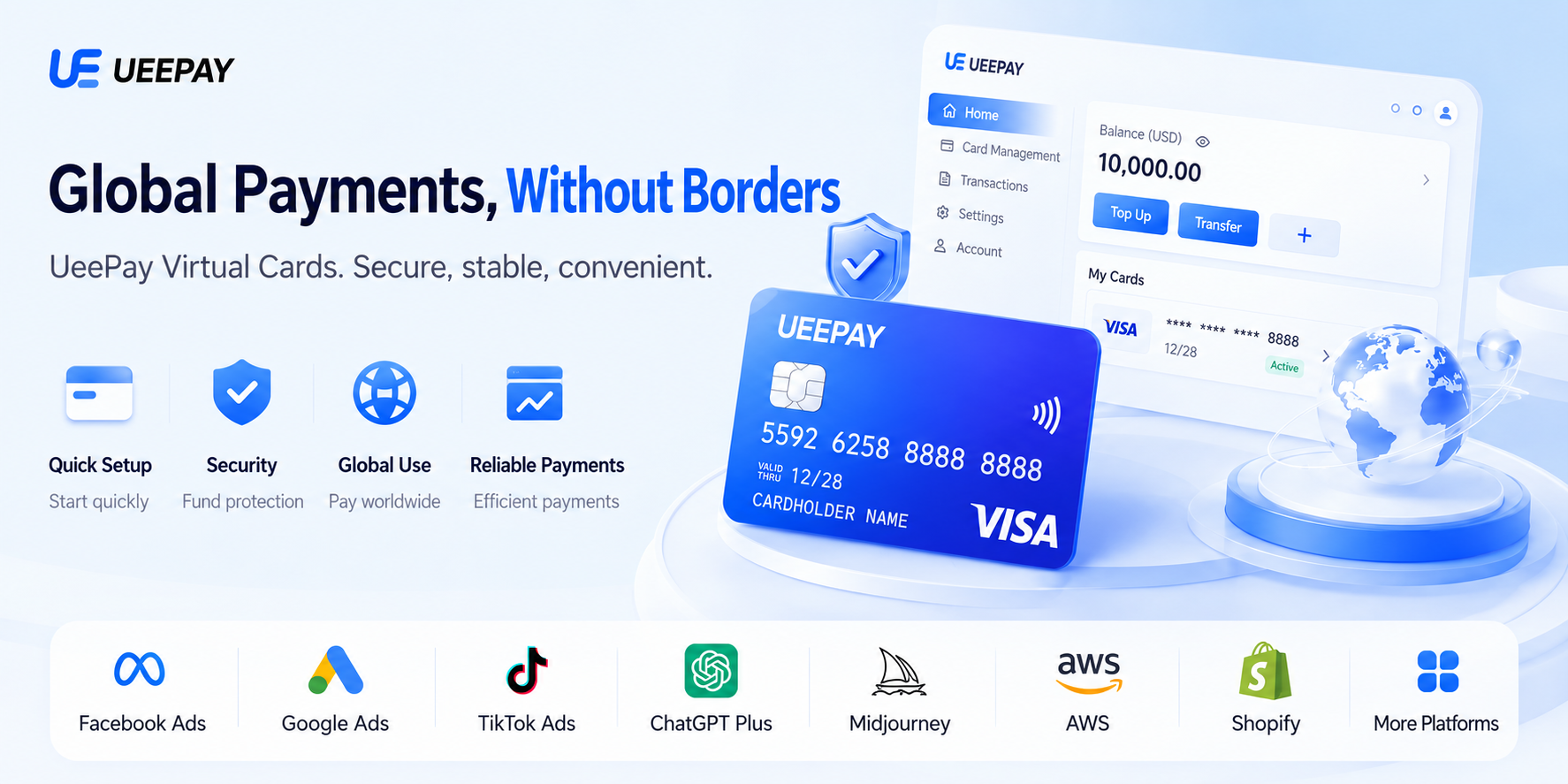
UeePay presents use cases that include AI subscriptions, advertising, and cross-border business payments. Actual availability depends on the account type, region, card range, and target merchant.
Platforms of this type can offer multi-card management and team collaboration. Advertising payment acceptance still depends on account details, the advertising region, billing information, the BIN range, and merchant risk controls. One successful payment is not a guarantee of future acceptance.
Personal accounts may need identity and address documents, while business accounts may require company records and beneficial-owner information. Required documents and approval times vary, so check the provider’s current onboarding rules.
For recurring Facebook Ads or TikTok Ads payments, evaluate renewal consistency, card replacement procedures, refund handling, and support response times rather than relying on a single successful charge.
FotonCard: use cases and precautions
Consider a small test payment after confirming compatibility with your intended merchants.
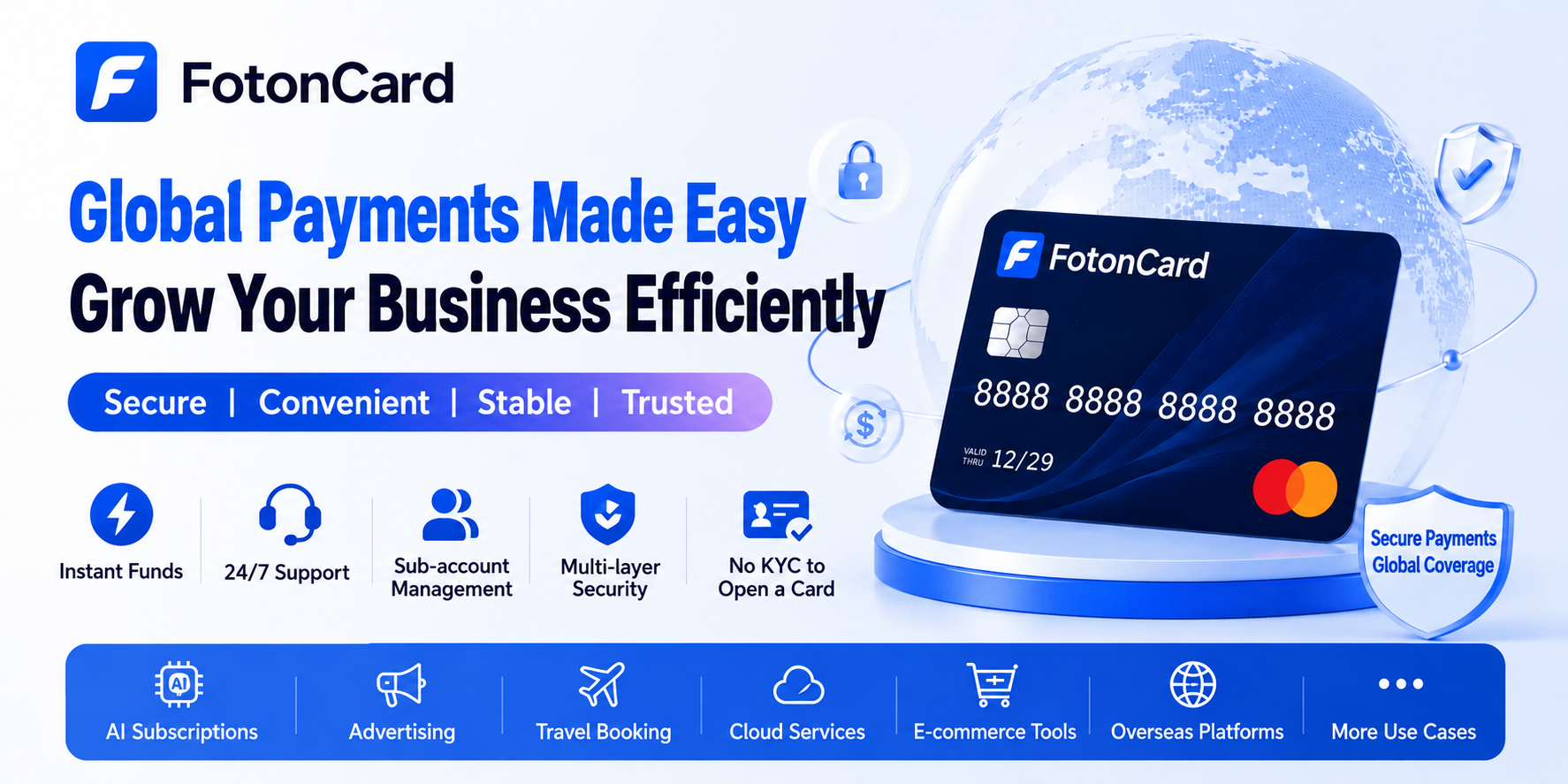
Visit the official FotonCard website
Possible use cases include ChatGPT Plus, advertising, and overseas SaaS subscriptions, subject to current compatibility.
FotonCard lists ChatGPT Plus, overseas SaaS subscriptions, and advertising among its possible use cases. Confirm support for the intended merchant and billing region before funding.
Card issuance and funding times vary by review status, funding channel, and region. Before using a card for ChatGPT Plus or an advertising platform, check compatibility with a small test payment.
Possible use cases include AI subscriptions, advertising platforms, and overseas e-commerce tools, but merchant acceptance should be confirmed for the specific card range before use.
High-frequency or higher-value advertising payments may trigger additional reviews. Do not attempt to bypass merchant or provider controls; pause transactions, verify account details, and contact the relevant support team when a payment is declined.
If you are new to overseas payments, confirm card eligibility, funding methods, refund rules, and compatibility with your intended merchants before deciding whether to continue using the service.
UCARDS: use cases and precautions
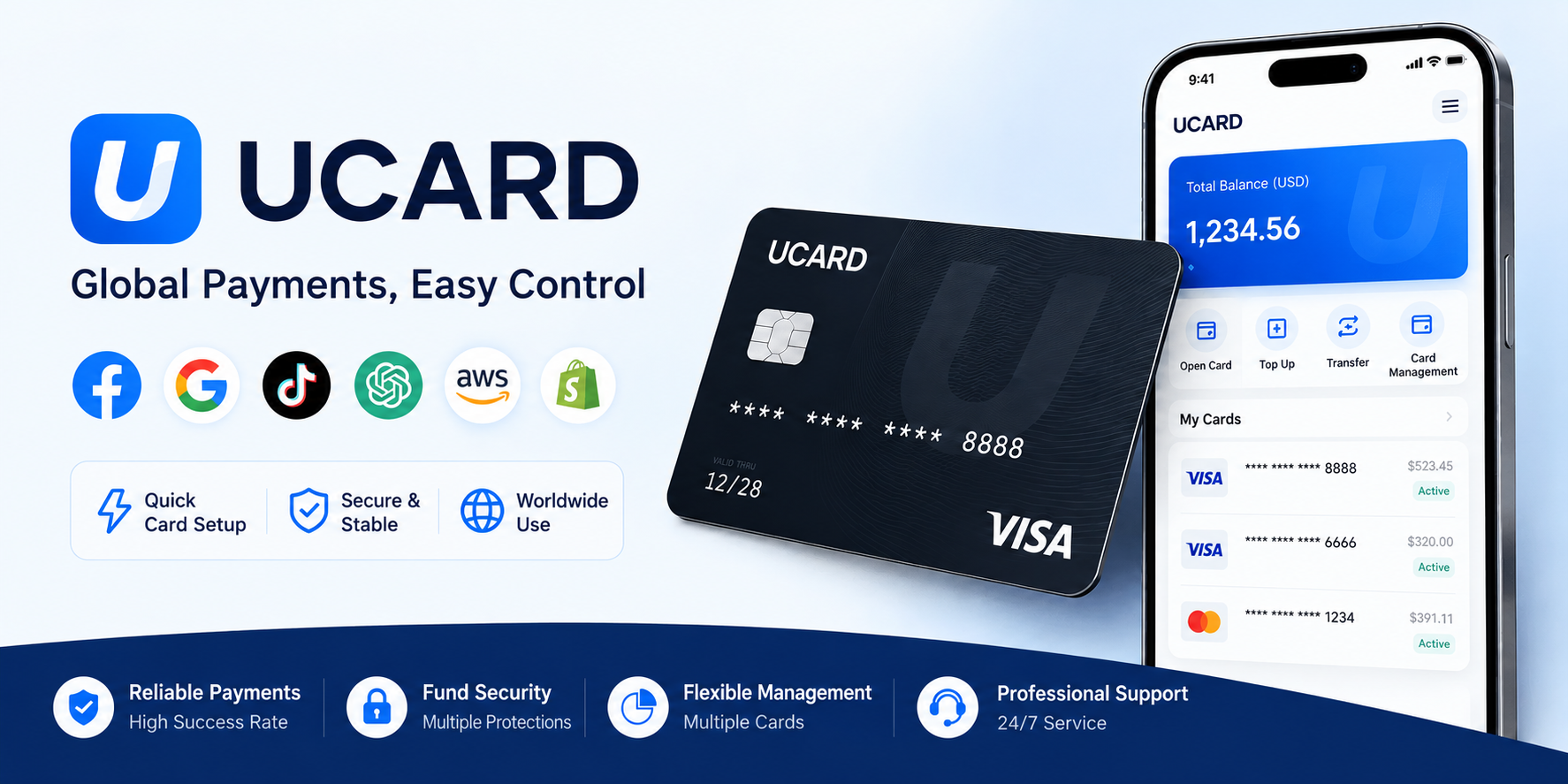
Visit the official UCARDS website
Possible use cases include daily cross-border payments and overseas tool subscriptions, subject to eligibility and merchant acceptance.
UCARDS may be considered for daily cross-border payments and overseas subscriptions, subject to eligibility, fees, and merchant compatibility.
Payment results for AI subscriptions, Google Play, and overseas SaaS services vary by BIN range, region, account environment, and merchant risk controls. Check the platform rules and start with a small test payment.
Compared with subscription-only products, UCARDS presents several possible use cases, including AI tools, cross-border e-commerce, and overseas subscriptions. Availability is not a guarantee of acceptance.
Before using UCARDS, compare current card fees, funding fees, refund handling, withdrawal rules, and support for the intended merchant.
How should you choose a platform?
For ChatGPT Plus, Midjourney, overseas SaaS, or advertising, compare KYC/KYB requirements, card issuance and funding fees, refund rules, card-management features, and merchant compatibility against your intended use. No platform can guarantee ongoing acceptance for every use case.
FAQ
Why do more and more people need virtual credit cards?
As an online payment tool, a virtual credit card (VCC) can be particularly useful for cross-border purchases, subscriptions, and advertising.
- Security controls: some providers offer spending limits, card freezing, or separate cards for different merchants. These controls may reduce exposure, but they do not eliminate loss or account risk.
- Reduced card-data exposure: using a separate virtual card can limit how widely your primary card details are shared. The virtual-card provider may still collect identity and transaction data under its policies.
- Cross-border payment option: a virtual card may improve compatibility where a domestic card is not accepted, but no provider can guarantee acceptance by OpenAI, Google, app stores, or advertising platforms.
- Spending control: separate cards for different purposes, such as advertising and AI subscriptions, help you manage spending and unexpected charges.
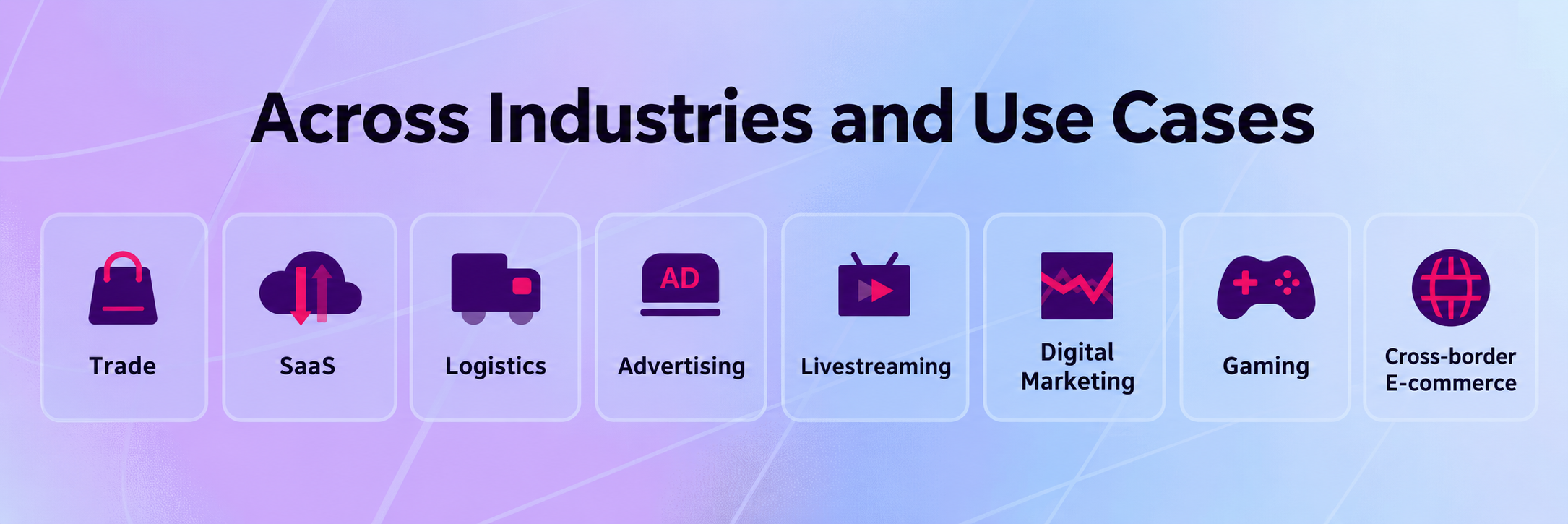
- Relevant user groups: cross-border e-commerce sellers, Facebook/TikTok/Google advertisers managing campaigns and charges, AI and software subscribers, overseas shoppers, and cryptocurrency users funding cards with USDT.
The shortcomings should also be clearly stated:
- Most virtual cards are limited to online payments and cannot be used directly in physical stores unless the provider supports Apple Pay or Google Pay integration or issues physical cards.
- Refund timing and routing vary. A closed or single-use card may require manual support, so keep records and confirm the provider’s refund process before payment.
- Costs can include card issuance, funding, foreign exchange, declines, refunds, withdrawals, inactivity, or account closure. Higher-value or frequent transactions may trigger review or restrictions.
- Where legally available and supported by the provider, USDT funding can involve network fees, exchange-rate differences, transfer errors, and jurisdiction-specific compliance obligations.
Are virtual credit cards safe?
A virtual card is primarily an online payment credential. Some products support single-use numbers or spending limits, while others behave like reusable prepaid cards. Security depends on provider controls, account protection, funding exposure, and how the card is used; it does not remove fraud or loss risk.
Can you use a virtual card for ChatGPT Plus?
Support for ChatGPT Plus varies by card range, billing region, account details, and current OpenAI payment rules. Check the latest provider documentation and start with a small test amount. Adding a card does not guarantee successful renewal.
本文由 VCCMap 虚拟卡指南整理,转载请注明出处:https://vccmap.com/en/%e8%99%9a%e6%8b%9f%e4%bf%a1%e7%94%a8%e5%8d%a1%e5%93%aa%e4%b8%aa%e5%b9%b3%e5%8f%b0%e9%9d%a0%e8%b0%b1%ef%bc%9f2026-%e6%9c%80%e6%96%b0%e5%af%b9%e6%af%94%e8%af%84%e6%b5%8b-en/

