Virtual cards are not a way to bypass platform rules. They help manage budgets and risk, but inconsistent account environments, inaccurate billing details, and frequent retries can still trigger platform risk controls.
Check before using: A consistent environment, a clear purpose, sufficient funds, and an accurate billing address matter more than repeatedly changing cards.
Pre-use checklist
- IP and Device: Avoid making payments immediately after frequently switching regions or devices.
- Billing Address: Keep the name, address, postal code, and account region as consistent as possible.
- Balance: Leave a buffer for verification charges and currency conversion costs.
- Purpose: Use separate cards for AI subscriptions, advertising, and temporary tests.
- Retry frequency: Investigate the cause of a failure before trying again repeatedly.
Separate cards by use case
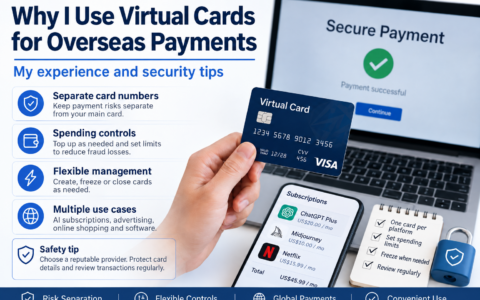
Separating uses is one of the most practical benefits of virtual cards. For example, use one card for ChatGPT, one for an advertising account, and one for corporate purchases. This prevents an issue with one card from affecting every use case.
When to stop
If payments on the same platform fail two or three times in a row, stop retrying. Record the error message and check the billing details and account environment before deciding whether to change the card or contact support.
UeePay card opening offer: Through VCCMap’s dedicated link, the card opening fee is $1 and the funding fee is 1%. Start with a small amount, then increase the budget based on your actual use case.
Beginners can also read How Much to Add to Your First Virtual Card.
本文由 VCCMap 虚拟卡指南整理,转载请注明出处:https://vccmap.com/en/virtual-card-risk-control-checklist-en/